Stove Installations
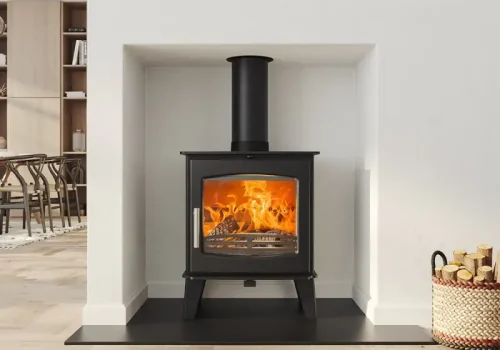
Looking to add warmth and character to your home? We supply and install a wide range of wood burners and multi-fuel stoves, from traditional cast iron to modern minimalist designs.


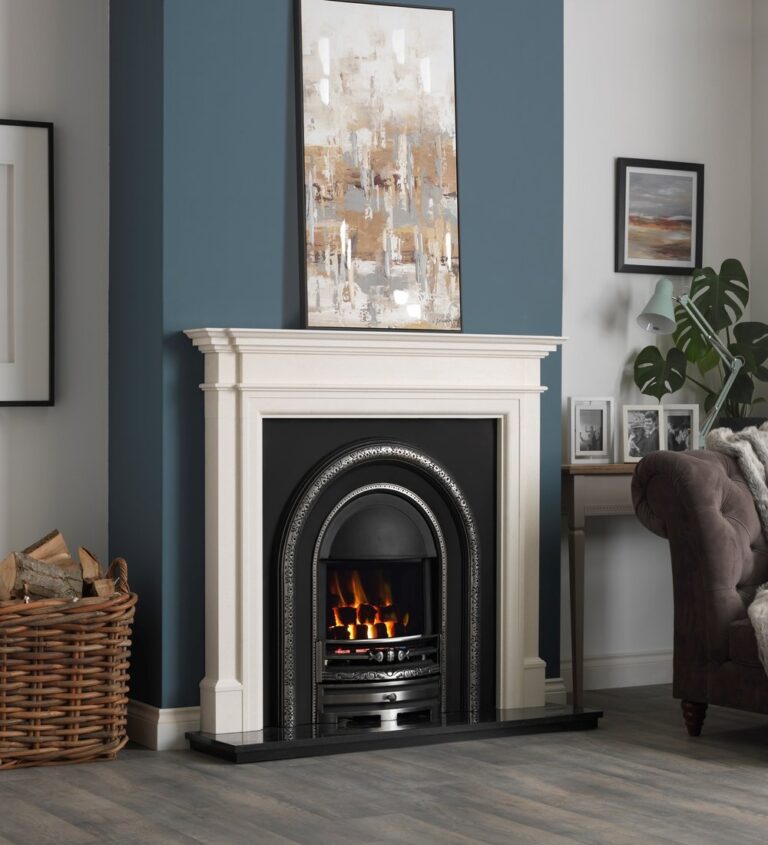
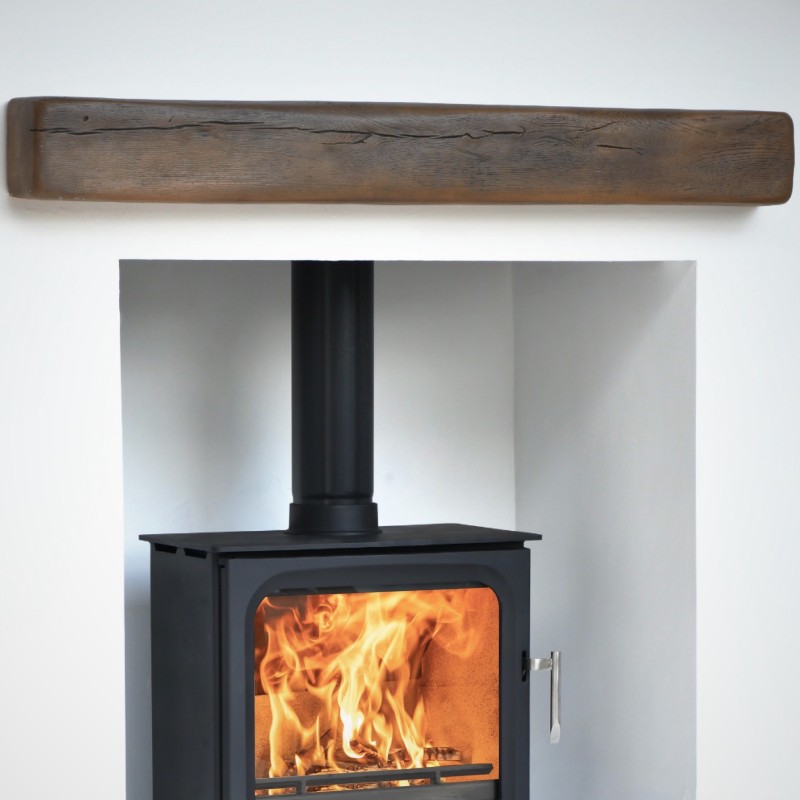
For ages, hearths have been the cozy core of our homes. Think of them as the spot where your fire chills out, providing that comforting warmth and a perfect place to snuggle up. So, when you’re picking out a fireplace, it just makes sense to get the hearth right. It’s not just about looking good – there are some important safety rules to keep in mind, too!
Let’s clear up the basics first: the hearth is basically the floor of your fireplace. Back in the day, the fire basket would sit right on top of it, beneath the chimney opening. They usually stick out into the room a bit and are typically made of stone or brick.
The biggest reason for a fireplace hearth is safety. I mean, open flames and anything that can easily catch fire don’t mix, right? So, your fire needs to sit on a surface that can handle the heat without cracking.
You see that bit pokes out into the room? That’s called the “hearth extension,” and it’s super important. Its job is to catch any rogue embers, ash, or other bits that might escape and cause a fire.
Beyond safety, hearths also play a big role in the look of your fireplace, making it feel complete. Plus, they help keep a safe distance between you and any hot bits that could cause a burn.
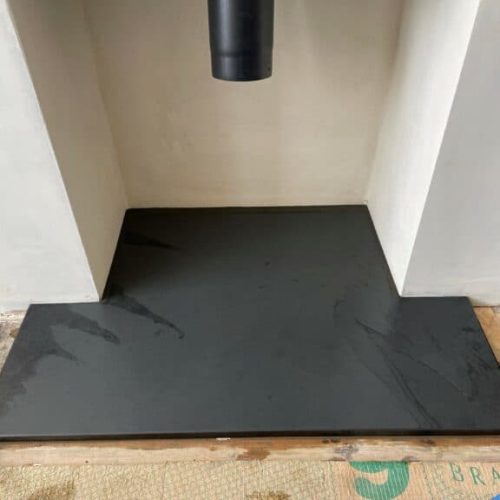
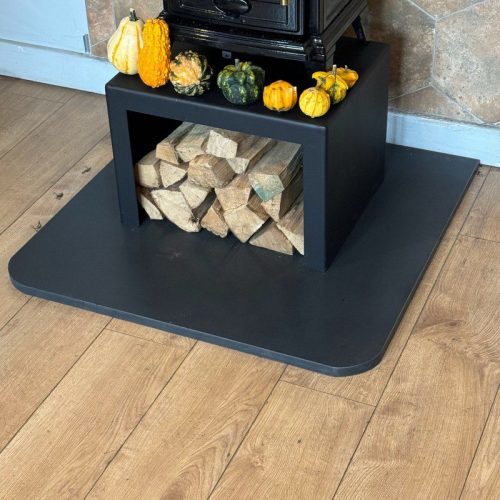
If you’ve got a solid fuel fire (think wood or coal), granite is a top-notch choice for a hearth. To make sure it can really take the heat, you’ll want one that’s “slabbed.” This means it’s been cut into pieces and set in concrete, giving it room to expand when it heats up. Granite hearths are fantastic if you’re into that bold, modern black look, but they can also beautifully complement a more traditional period or Victorian-style fireplace.
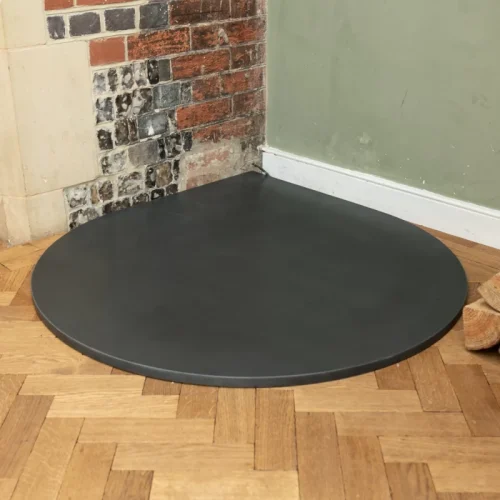
Slate hearths look fantastic for solid fuel fires (our top seller)! If you’re leaning towards a black hearth but fancy something different from granite, slate is a great alternative. You can keep its natural, deep matte grey tone, or polish it up for a super glossy, jet-black finish.
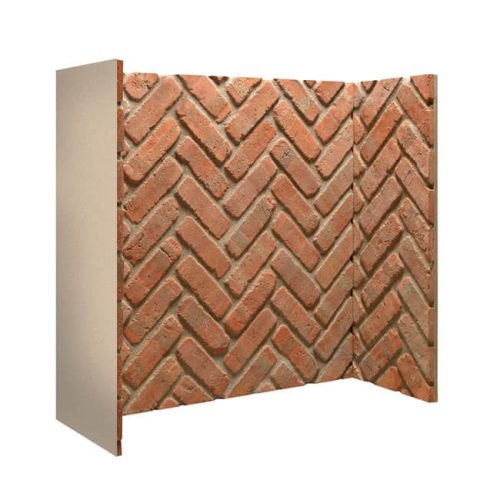
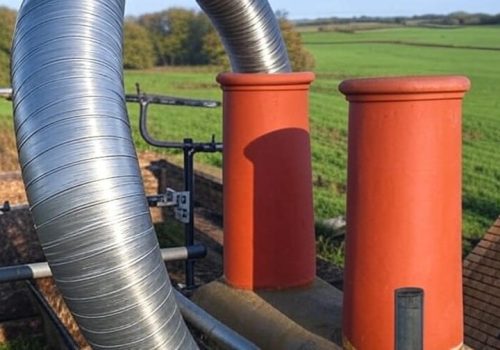
Flexible Stainless Steel Liners
Ideal for lining existing brick chimneys—quick to install, cost-effective, and highly durable. Comes in twin-skin 316/904 grade for corrosion resistance.
Pumice or Clay Liners
Long-lasting, thermally stable systems often used in new builds or full chimney reconstructions.
Rigid Flue Pipe Systems
Best for short, straight chimneys or appliance connections. Suitable for certain DEFRA-approved stoves and high-efficiency units.
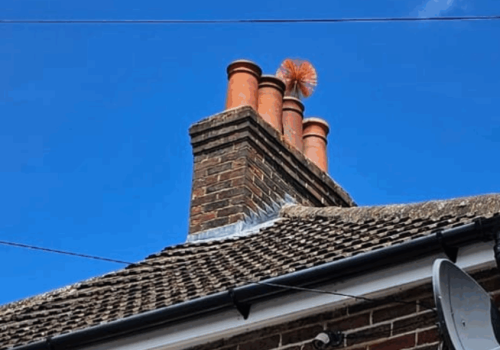
Over time, chimney flues can deteriorate due to heat, moisture, soot buildup, or corrosion. Older properties may have no liner at all—or one that no longer meets building or appliance standards.
Cracked or unlined chimney
Condensation or tar leaking through walls
Poor stove performance or draft issues
Converting an open fire to a stove
Insurance or HETAS compliance


We use cookies to improve your experience on our site. By using our site, you consent to cookies.
Manage your cookie preferences below:
Essential cookies enable basic functions and are necessary for the proper function of the website.
These cookies are needed for adding comments on this website.
Statistics cookies collect information anonymously. This information helps us understand how visitors use our website.
Google Analytics is a powerful tool that tracks and analyzes website traffic for informed marketing decisions.
Service URL: policies.google.com (opens in a new window)